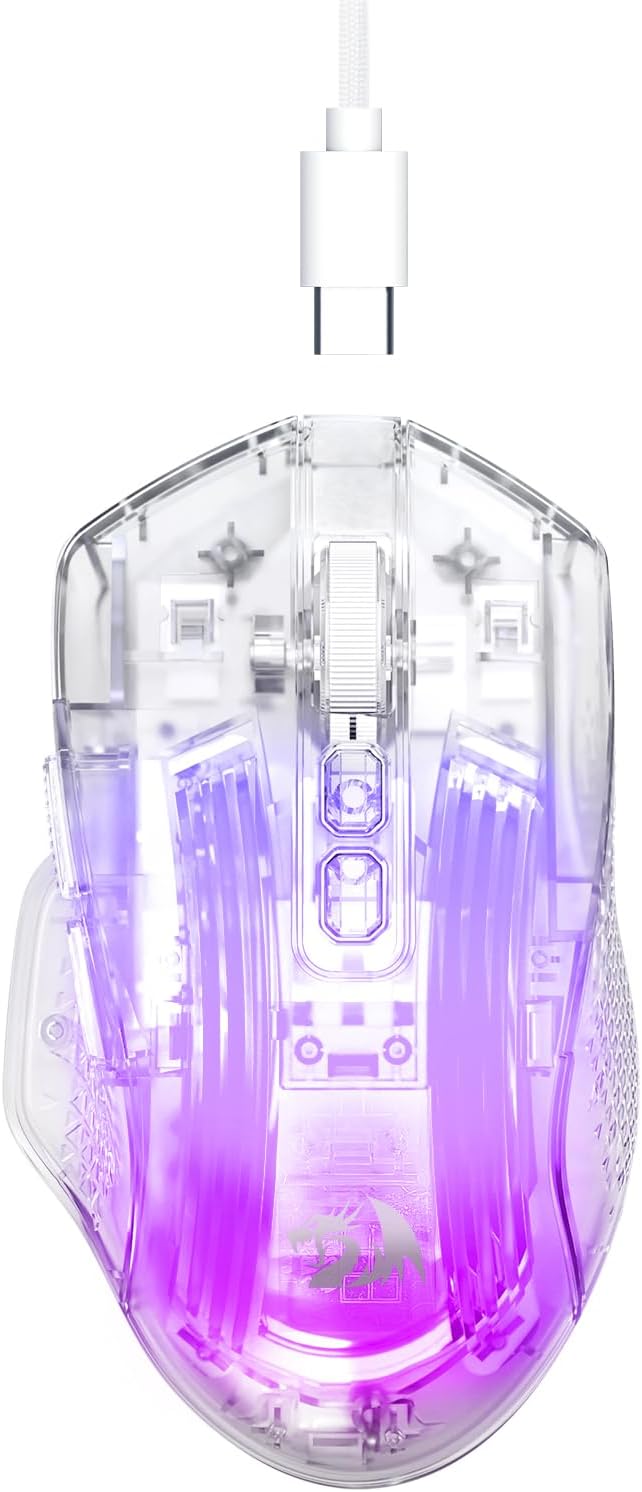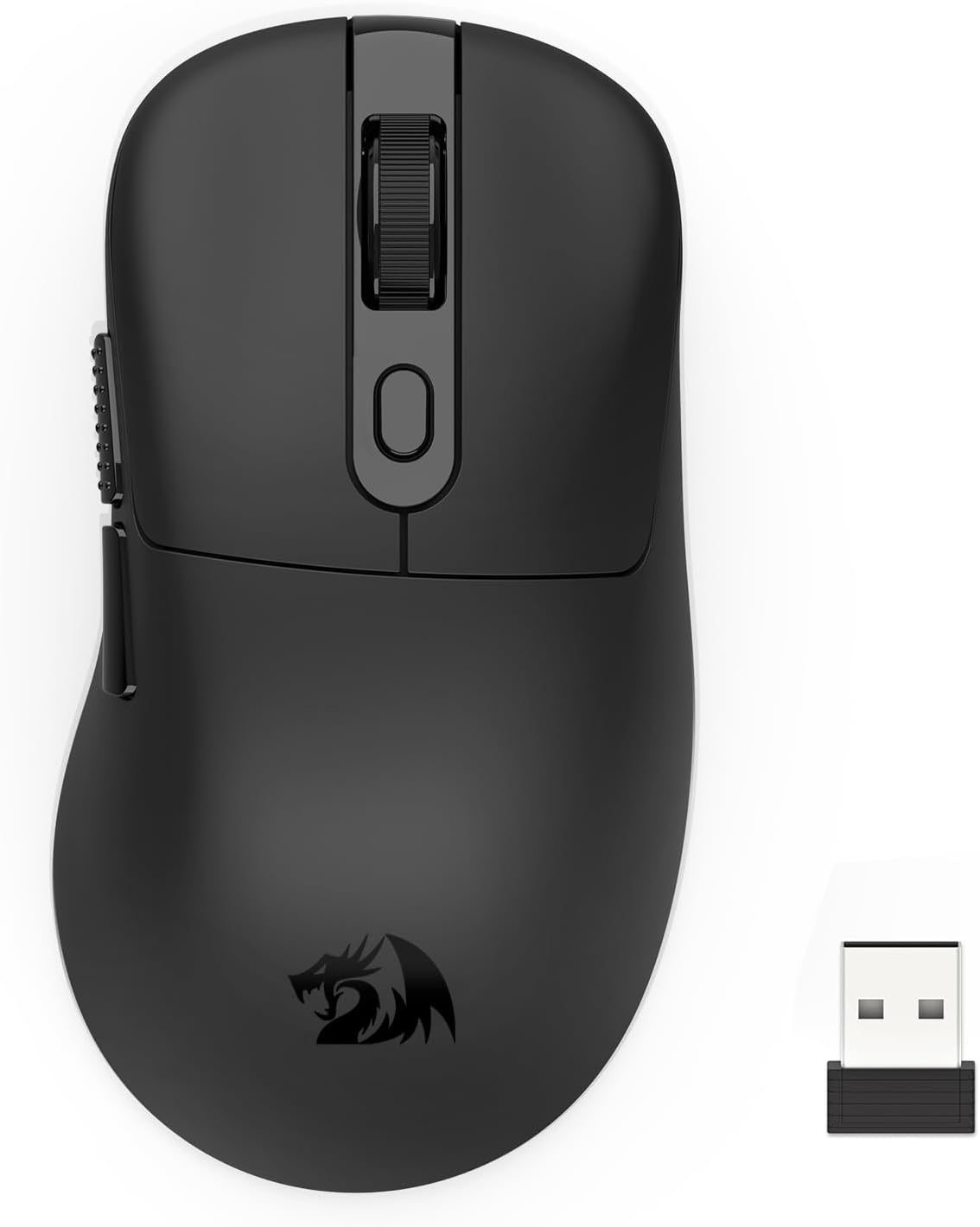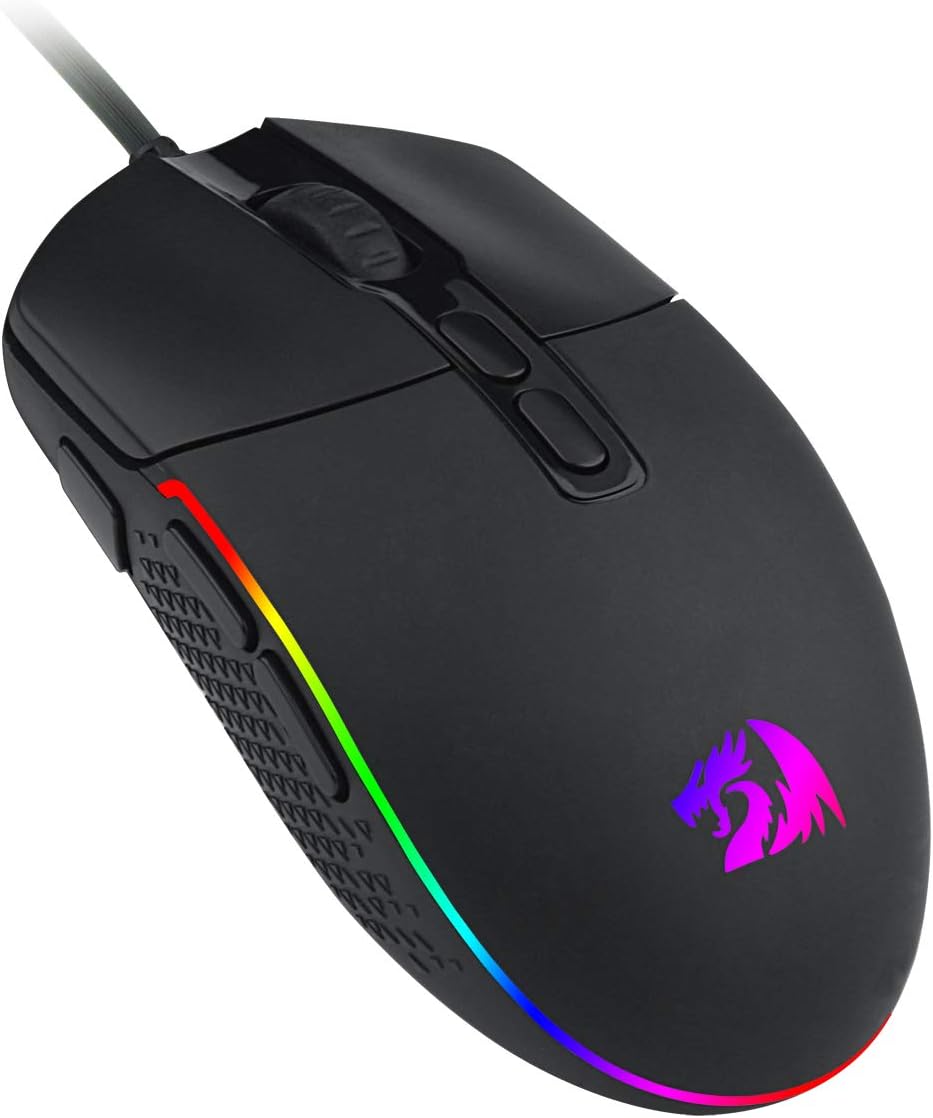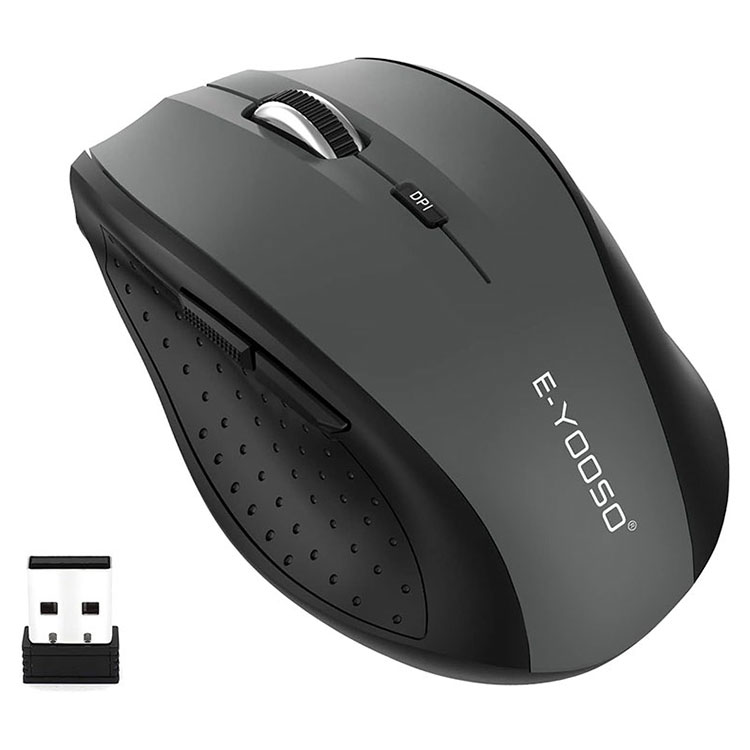
Gaming Mouse: Precision, Speed, and Control for Competitive Performance
In modern gaming and professional computing environments, accuracy and responsiveness are critical. A high-performance Gaming Mouse has become an essential tool for gamers, designers, and digital professionals who require precise control and lightning-fast responsiveness. Unlike standard computer mice, a Gaming Mouse is engineered with advanced sensors, customizable buttons, ergonomic design, and ultra-fast polling rates that deliver superior tracking accuracy and responsiveness.
Whether used for competitive esports, immersive gaming, or high-precision work such as graphic design and video editing, a Gaming Mouse significantly improves user performance and comfort. This guide explores the core features, technical specifications, benefits, and frequently asked questions about gaming mice, helping users understand what makes them a powerful upgrade for modern computing setups.
What Is a Gaming Mouse?
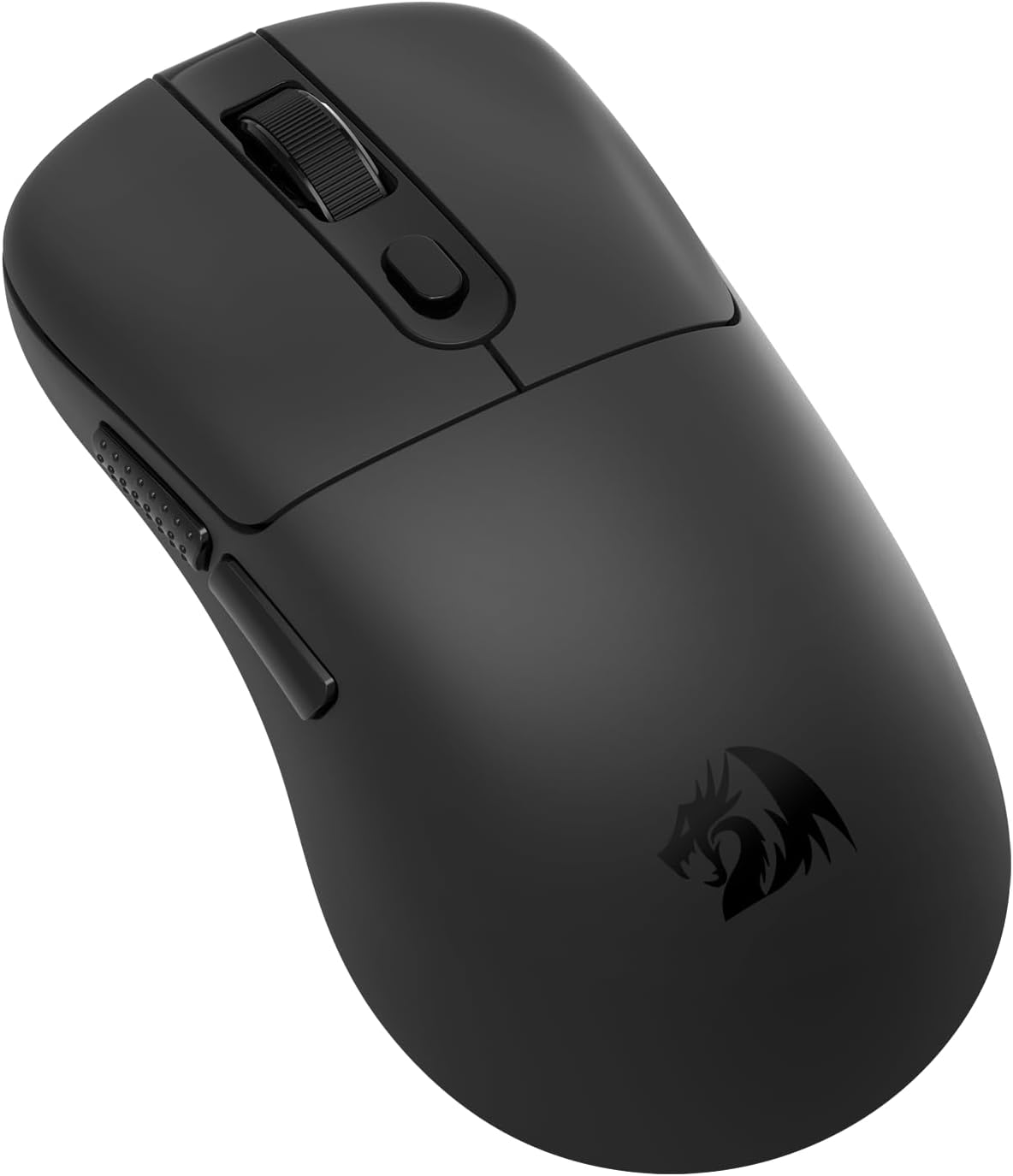
A Gaming Mouse is a specialized pointing device designed to deliver high accuracy, fast response time, and customizable control features. It differs from conventional mice by incorporating advanced optical or laser sensors, programmable buttons, adjustable sensitivity levels, and ergonomic structures designed for extended gaming sessions.
These devices are optimized for performance-intensive tasks, especially in genres such as first-person shooters, real-time strategy games, multiplayer online battle arenas, and competitive esports titles. The goal of a Gaming Mouse is to translate every hand movement into precise on-screen actions with minimal delay.
Key advantages include:
High-precision tracking technology
Adjustable DPI sensitivity
Faster response rates
Ergonomic comfort for long sessions
Programmable buttons and macros
Durable build quality
For serious gamers and professionals, upgrading to a gaming mouse can dramatically enhance control and efficiency.
Advanced Sensor Technology
The sensor is the most important component of any Gaming Mouse, determining how accurately movement is detected and translated into cursor motion.
Most high-quality gaming mice use advanced optical sensors capable of extremely precise tracking across a wide range of surfaces. These sensors are designed to minimize acceleration errors and tracking inconsistencies, ensuring reliable performance even during rapid movements.
Typical sensor specifications include:
Maximum DPI: 16,000 – 26,000 DPI
Tracking Speed: Up to 400 inches per second
Acceleration: Up to 40G or higher
Polling Rate: Up to 1000Hz or beyond
Higher DPI values allow for greater sensitivity, which is particularly useful for fast-paced gaming environments where quick reactions are essential. At the same time, adjustable DPI settings allow users to fine-tune sensitivity levels according to their play style.
Ergonomic Design for Long Gaming Sessions
Comfort is a crucial factor when selecting a Gaming Mouse, especially for players who spend many hours at their computer. Modern gaming mice are designed with ergonomic contours that naturally fit the shape of the hand, reducing strain and fatigue.
Many designs accommodate different grip styles, including:
Palm Grip
The entire hand rests on the mouse, offering maximum comfort and stability.
Claw Grip
The palm rests lightly while the fingers arch to provide quick clicking control.
Fingertip Grip
Only the fingertips touch the mouse, enabling extremely fast movements.
High-quality gaming mice use textured surfaces, rubberized side grips, and balanced weight distribution to provide optimal comfort and stability.
Customizable Buttons and Macros
A powerful Gaming Mouse often includes multiple programmable buttons that allow users to assign commands, macros, or shortcuts. These buttons are particularly useful in games that require rapid execution of complex actions.
Common programmable features include:
Weapon switching
Ability activation
Quick communication commands
DPI sensitivity switching
Custom macro sequences
Professional players frequently customize these buttons to streamline gameplay and reduce reaction time.
Detailed Product Specifications
A premium Gaming Mouse typically includes the following performance specifications:
Device Type: Professional Gaming Mouse
Sensor Type: High-Precision Optical Gaming Sensor
Maximum DPI: Up to 26,000 Adjustable DPI Levels
Polling Rate: 125Hz / 500Hz / 1000Hz Adjustable
Tracking Speed: Up to 400 IPS
Maximum Acceleration: Up to 40G
Buttons: 6–12 Programmable Buttons
Switch Durability: Up to 80 Million Clicks
Lighting: Customizable RGB Lighting Zones
Connectivity: Wired USB or Wireless 2.4GHz / Bluetooth
Battery Life (Wireless): Up to 70 Hours Continuous Use
Cable Type: Ultra-Flexible Braided Cable
Weight: Lightweight Design Around 60g – 90g
Compatibility: Windows, macOS, Linux
Software Support: Advanced Customization Software
These specifications ensure that a Gaming Mouse delivers exceptional speed, precision, and long-term reliability.
Lightweight Design for Faster Movement
Many modern gaming mice focus on lightweight construction to improve speed and maneuverability. A lighter mouse allows users to move quickly across large mousepads with minimal effort.
Lightweight gaming mice often weigh between 60 and 90 grams, enabling faster flick shots and smoother tracking in competitive games. Some models also include adjustable weight systems so users can customize the mouse’s balance according to personal preference.
The lightweight structure improves performance in high-intensity gameplay where rapid movement and precise aiming are essential.
RGB Lighting and Visual Customization
A modern Gaming Mouse often includes customizable RGB lighting that enhances both functionality and visual appeal. RGB systems allow users to select colors, brightness levels, and dynamic lighting effects.
Common lighting modes include:
Static color display
Breathing effects
Color cycling
Reactive click lighting
Game-synchronized lighting profiles
These lighting systems integrate with gaming setups to create immersive environments while also serving as visual indicators for DPI levels or profiles.
Wired vs Wireless Gaming Mouse
Both wired and wireless gaming mice offer high performance, and the choice depends on user preference.
Wired Gaming Mouse
Wired models provide consistent connection stability and eliminate battery concerns. They are often preferred in competitive gaming environments due to their uninterrupted performance.
Wireless Gaming Mouse
Wireless models offer greater mobility and a cleaner desk setup. Modern wireless technology has significantly reduced latency, allowing wireless gaming mice to perform at nearly the same level as wired devices.
Many wireless models feature high-efficiency batteries capable of lasting 50 to 70 hours on a single charge.
Durability and Build Quality
Durability is another major advantage of a Gaming Mouse. Premium gaming mice use high-quality switches and reinforced internal components designed for millions of clicks.
Mechanical switches inside gaming mice are often rated for 60 to 80 million clicks, ensuring reliable performance over several years of intensive use.
Additional durability features include:
Reinforced scroll wheel mechanisms
Scratch-resistant coatings
High-strength internal frame design
These features make gaming mice a long-lasting investment for serious users.
How a Gaming Mouse Improves Gameplay
A Gaming Mouse provides several competitive advantages that standard mice cannot match.
First, adjustable DPI sensitivity allows players to switch between fast movement and precise aiming instantly. For example, a sniper player may reduce DPI for accuracy, while a fast-paced action player may increase DPI for rapid movement.
Second, higher polling rates ensure that the mouse communicates with the computer more frequently, resulting in smoother cursor tracking.
Third, programmable buttons allow players to execute complex commands with a single click, improving reaction speed and overall gameplay efficiency.
Maintenance Tips for Gaming Mouse Longevity
Proper maintenance ensures consistent performance and long lifespan for a Gaming Mouse.
Helpful maintenance practices include:
Cleaning the mouse sensor regularly to maintain tracking accuracy.
Wiping the surface with a microfiber cloth to remove dust and oils.
Using a quality mouse pad to protect the mouse feet and improve glide performance.
Updating firmware and software when new updates become available.
These simple steps help maintain optimal performance for years of use.
Gaming Mouse FAQ
What makes a Gaming Mouse different from a regular mouse?
A Gaming Mouse is specifically designed for high precision and fast responsiveness. It uses advanced sensors capable of higher DPI levels, faster polling rates, and more accurate tracking. Gaming mice also feature programmable buttons, customizable lighting, and ergonomic designs optimized for long gaming sessions. These improvements allow users to perform more efficiently in both gaming and professional applications.
How many DPI should a Gaming Mouse have?
The ideal DPI range for a Gaming Mouse depends on personal preference and the type of games being played. Many competitive players use DPI settings between 400 and 1600 for better precision, especially in first-person shooter games. However, modern gaming mice can support up to 26,000 DPI or more, allowing users to adjust sensitivity according to their play style, monitor resolution, and desk space.
Is a wireless Gaming Mouse good for competitive gaming?
Modern wireless Gaming Mouse technology has improved significantly, making it suitable for competitive gaming. Advanced wireless connections provide extremely low latency and stable performance that rivals wired models. Many professional esports players now use wireless gaming mice because they offer greater freedom of movement without sacrificing responsiveness.
How long does a Gaming Mouse typically last?
A high-quality Gaming Mouse can last several years depending on usage and build quality. Most gaming mouse switches are rated for 60 to 80 million clicks, which is far beyond typical daily use. With proper care, including regular cleaning and safe storage, a gaming mouse can maintain excellent performance for a long time.
Do professional gamers use Gaming Mouse devices?
Yes, professional esports players rely heavily on high-performance Gaming Mouse devices. Precision tracking, customizable sensitivity settings, and programmable controls allow players to perform complex actions quickly and accurately. These features provide a competitive edge in fast-paced games where reaction time and precision are critical.
Conclusion
A high-performance Gaming Mouse is one of the most important tools for gamers and digital professionals seeking speed, accuracy, and comfort. Equipped with advanced sensors, adjustable DPI settings, ergonomic designs, customizable buttons, and durable construction, modern gaming mice deliver a superior user experience compared to standard computer mice.
Whether used for competitive esports, immersive gaming adventures, or precision professional work, investing in a reliable Gaming Mouse enhances control, responsiveness, and long-term productivity. With the right combination of technology and design, a gaming mouse becomes an essential component of any high-performance computer setup.