Products

3D Printer

3D Printer – Advanced Manufacturing Technology for Modern Creativity

In recent years, additive manufacturing has transformed the way products are designed, prototyped, and produced. Among the most significant innovations in this field is the 3D Printer, a device capable of creating three-dimensional objects layer by layer using digital models. This technology has expanded beyond industrial applications and is now widely used by engineers, designers, educators, hobbyists, and small businesses.

A modern 3D Printer enables users to convert digital designs into physical objects with high precision and efficiency. From rapid prototyping to custom manufacturing, the flexibility offered by 3D printing technology has revolutionized numerous industries. As the technology continues to evolve, printers are becoming more affordable, easier to operate, and capable of producing increasingly complex structures.

This comprehensive guide explores the functionality, technical characteristics, advantages, and applications of a professional 3D Printer, helping users understand why this technology has become a vital tool for modern innovation and production.


Understanding 3D Printing Technology

A 3D Printer is a machine that creates physical objects from digital design files through a process known as additive manufacturing. Unlike traditional subtractive manufacturing, which removes material from a larger block, 3D printing builds objects layer by layer using specialized materials.

The process begins with a digital 3D model created using computer-aided design software. This model is then converted into a printable format using slicing software, which divides the object into thin horizontal layers. The printer follows these instructions to deposit material precisely, gradually forming the final object.

This method allows for exceptional design freedom, enabling the production of complex shapes and internal structures that would be difficult or impossible to achieve using traditional manufacturing techniques.


Key Features of a Modern 3D Printer

A professional 3D Printer incorporates several advanced technologies that ensure accurate printing results, reliable operation, and user-friendly functionality.

High Precision Printing System

Precision is one of the most important characteristics of a high-quality 3D printer. Advanced motion systems ensure that each layer is deposited with exact positioning, resulting in smooth surfaces and detailed features.

High-resolution stepper motors control the movement of the printer's axes, allowing for accurate positioning of the print head during the printing process.

Stable Mechanical Structure

The frame of a 3D Printer plays a crucial role in maintaining consistent printing accuracy. Rigid metal frames and reinforced components help minimize vibrations, which improves layer alignment and overall print quality.

A stable mechanical design also allows the printer to operate at higher speeds without sacrificing precision.

Intelligent Temperature Control

Temperature management is essential in 3D printing. Most printers include heated extruders and heated build plates to ensure proper filament melting and adhesion.

Accurate temperature control allows the 3D Printer to work with a variety of printing materials while maintaining consistent extrusion performance.

User-Friendly Interface

Modern printers are designed to be accessible for both beginners and professionals. Touchscreen interfaces, intuitive menus, and simplified calibration procedures make it easier to start and manage printing projects.

Many printers also support remote monitoring and wireless file transfer for improved convenience.


Technical Parameters of a Professional 3D Printer

A high-performance 3D Printer typically includes several key technical specifications that determine its capabilities and printing performance.

The build volume represents the maximum size of objects that the printer can produce. Many desktop printers offer a build area large enough to accommodate medium-sized models while maintaining high accuracy.

Layer resolution is another critical factor. A smaller layer height produces smoother surfaces and finer details. Many printers support adjustable layer heights, allowing users to balance printing speed and quality.

The extruder system is responsible for feeding and melting the printing material. A reliable extruder ensures consistent filament flow and minimizes the risk of printing errors.

Printing speed refers to how quickly the printer can produce objects. While faster speeds reduce production time, maintaining precision and stability remains essential for high-quality results.

Filament compatibility is also important. Most printers support common materials such as PLA, ABS, PETG, and TPU, providing flexibility for different types of projects.

Connectivity options may include USB ports, memory card slots, and wireless communication technologies. These options allow users to transfer files and control the printer through multiple methods.

Safety features are another important aspect of modern 3D Printer designs. Overheating protection, automatic shutdown systems, and power recovery functions help ensure reliable and secure operation.


Materials Used in 3D Printing

One of the advantages of a 3D Printer is its ability to work with a variety of materials. Different materials offer unique properties that make them suitable for different applications.

PLA is one of the most commonly used materials due to its ease of use and environmentally friendly characteristics. It produces minimal warping and is ideal for beginners.

ABS is a durable thermoplastic known for its strength and heat resistance. It is commonly used for functional parts and mechanical components.

PETG offers a balance between strength and flexibility, making it suitable for a wide range of applications including household products and prototypes.

TPU is a flexible material used for producing soft components such as phone cases, gaskets, and wearable accessories.

Advanced industrial printers may also support specialized materials including carbon fiber composites and engineering-grade plastics.


Applications of 3D Printers

The versatility of the 3D Printer has led to its adoption across numerous industries.

Product Prototyping

Designers and engineers use 3D printing to create prototypes quickly. This allows them to test design concepts and make adjustments before moving to mass production.

Educational Environments

Schools and universities use 3D printers to teach students about engineering, design, and manufacturing principles. Hands-on learning encourages creativity and problem-solving skills.

Medical and Healthcare Applications

Medical professionals use 3D printing to produce anatomical models, prosthetic devices, and surgical guides. These tools help improve treatment planning and patient outcomes.

Architecture and Design

Architects often create scaled models of buildings and urban environments using 3D printers. These models help visualize design concepts and communicate ideas effectively.

Hobby and Creative Projects

Hobbyists and makers use 3D printers to produce custom objects such as decorative items, mechanical parts, and personalized accessories.


Advantages of Using a 3D Printer

Rapid Prototyping

A 3D Printer allows designers to produce prototypes within hours instead of weeks, significantly accelerating the product development process.

Custom Manufacturing

3D printing enables the creation of customized products tailored to individual needs.

Reduced Material Waste

Because objects are built layer by layer, only the necessary material is used during production.

Complex Design Capabilities

Additive manufacturing allows for intricate designs and internal structures that are difficult to produce using traditional methods.

Cost Efficiency for Small Production Runs

For limited production quantities, 3D printing can be more economical than traditional manufacturing processes.


How to Choose the Right 3D Printer

Selecting the ideal 3D Printer depends on several factors.

Users should consider build volume to ensure the printer can accommodate the size of their intended projects.

Print resolution is important for users who require highly detailed models.

Material compatibility determines the types of projects the printer can support.

Ease of use is also important, particularly for beginners who may benefit from automatic calibration and simplified interfaces.

Reliability and build quality should also be evaluated to ensure long-term performance.


Future of 3D Printing Technology

The future of 3D Printer technology continues to expand as new materials, faster printing techniques, and improved software capabilities are developed.

Researchers are exploring new applications in construction, aerospace engineering, and biomedical manufacturing. Large-scale 3D printers are already being used to create building structures and advanced components for aircraft.

As the technology becomes more accessible, the role of 3D printers in everyday life is expected to grow significantly.


3D Printer FAQ

Q1: What is a 3D Printer and how does it work?


A: A 3D Printer is a machine that creates physical objects from digital models using additive manufacturing technology. The process begins with a 3D design created using computer software. This design is divided into thin layers by slicing software, and the printer then deposits material layer by layer to build the object from the bottom up. The result is a fully formed three-dimensional object that matches the digital design.

Q2: What materials can be used with a 3D Printer?


A: A 3D Printer can work with a variety of materials depending on the printer model. Common materials include PLA, ABS, PETG, and TPU filaments. Each material has unique characteristics such as flexibility, strength, and heat resistance. Some advanced printers also support specialized materials such as carbon fiber composites and engineering plastics for industrial applications.

Q3: Is a 3D Printer suitable for beginners?


A: Yes, many modern 3D Printer models are designed to be beginner-friendly. They include features such as automatic bed leveling, touchscreen interfaces, and simplified setup procedures. These features help new users start printing quickly while still providing advanced capabilities for experienced users who require greater control over the printing process.

Q4: How long does it take to print an object using a 3D Printer?


A: The printing time of a 3D Printer depends on several factors including the size of the object, layer height, printing speed, and design complexity. Small objects may take less than an hour to print, while larger or highly detailed models may require several hours or even days to complete. Adjusting the layer resolution and print speed can help balance quality and production time.


Conclusion

The 3D Printer has become one of the most transformative tools in modern manufacturing and creative design. By enabling users to turn digital ideas into physical objects quickly and efficiently, this technology has opened new possibilities for innovation across multiple industries.

From product development and education to medical applications and personal creativity, 3D printing continues to expand the boundaries of what can be manufactured. Investing in a reliable 3D Printer provides individuals and businesses with the flexibility, efficiency, and precision needed to bring their ideas to life in the evolving world of digital manufacturing

View as  
 
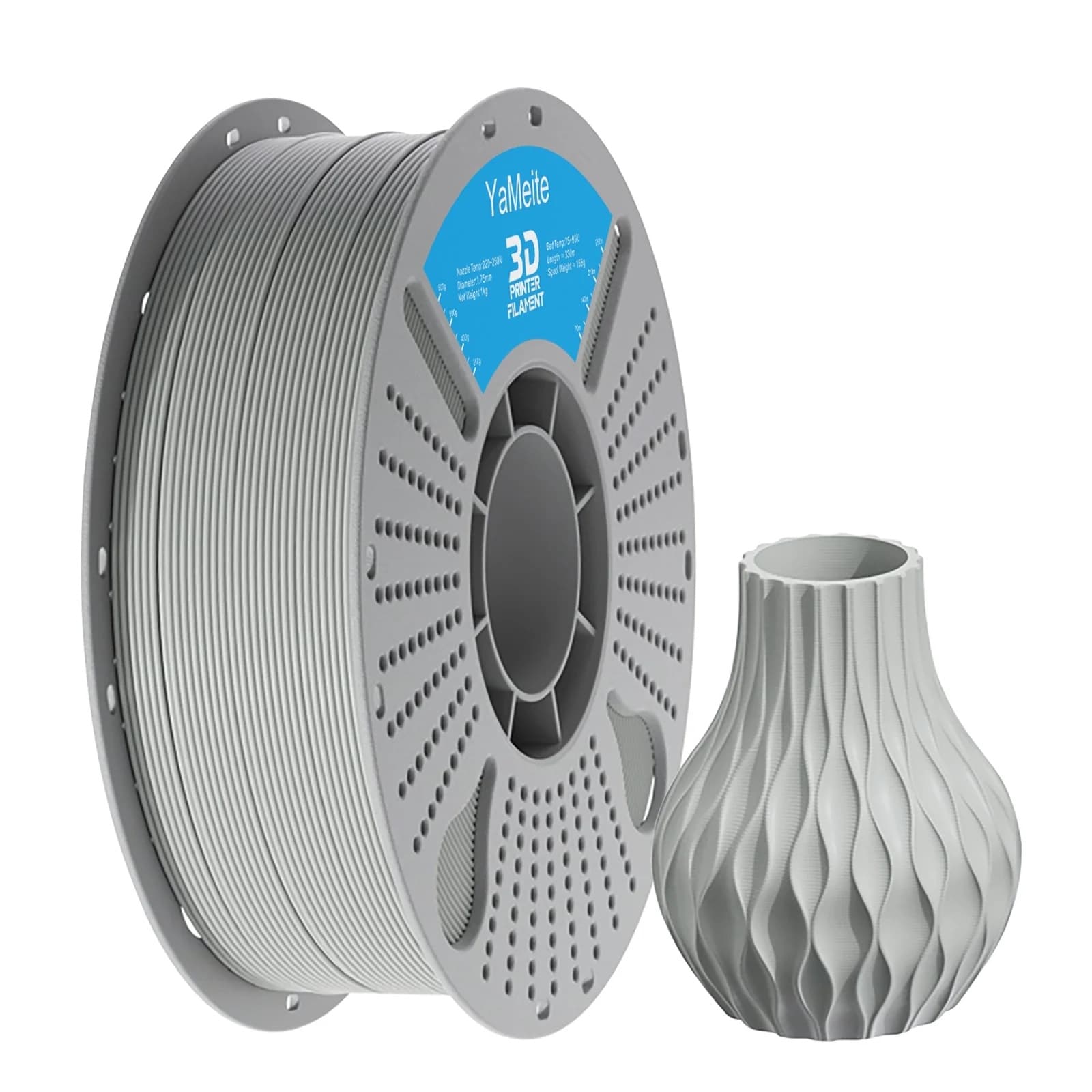
White PLA 3D Printer Filament PLA Filament 1.75mm

White PLA 3D Printer Filament PLA Filament 1.75mm

CHUANGQUAN White PLA 3D Printer Filament PLA Filament 1.75mm delivers smooth extrusion, stable diameter, and crisp white finish for precise 3D prints. Ideal for makers, designers, and educators seeking reliable performance, clean detail, and effortless printing for creative projects and prototypes.
40W Laser Engraver with Integrated Enclosure

40W Laser Engraver with Integrated Enclosure

Creality is one of the famous China  Laser Engraver manufacturer and supplier. Our factory specializes in manufacturing of Laser Engrave. Welcome to buy 40W Laser Engraver with Integrated Enclosure from Creality. Every request from customers is being replied within 24 hours.
Falcon 22W Output Laser Cutter DIY Laser Engraver

Falcon 22W Output Laser Cutter DIY Laser Engraver

Creality is one of the famous China Falcon 22W Output Laser Cutter DIY Laser Engraver manufacturer and supplier. Our factory specializes in manufacturing of Laser Engrave. Welcome to buy Falcon 22W Output Laser Cutter DIY Laser Engraver from Creality. Every request from customers is being replied within 24 hours.
Falcon 2 pro 22W Laser Enclosed Engraver

Falcon 2 pro 22W Laser Enclosed Engraver

Creality is one of the famous China Laser Engraver manufacturer and supplier. Our factory specializes in manufacturing of Laser Engrave. Welcome to buy Falcon 2 pro 22W Laser Enclosed Engraver from Creality. Every request from customers is being replied within 24 hours.
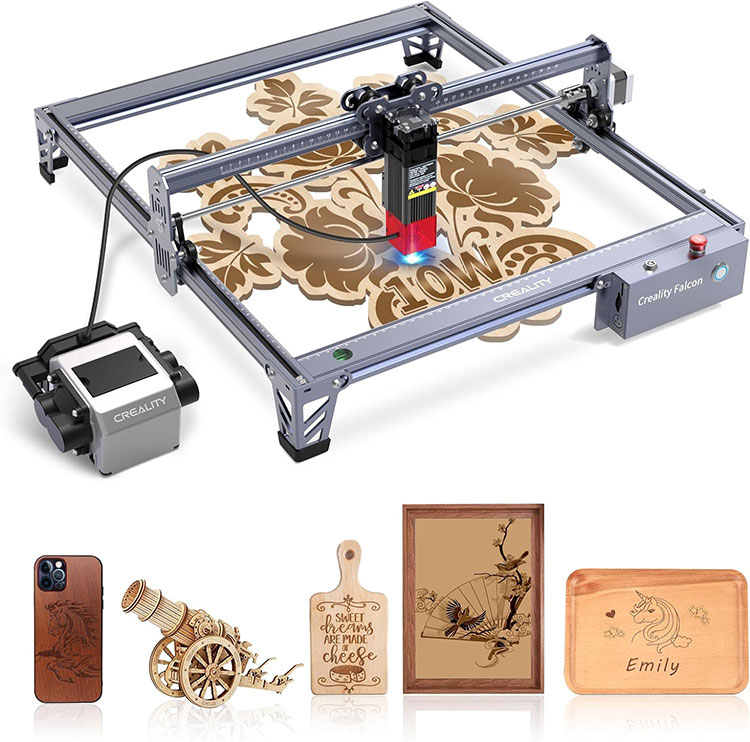
Laser Engraver Falcon Pro 10W Laser Cutter

Laser Engraver Falcon Pro 10W Laser Cutter

Creality is one of the famous China Laser Engraver manufacturer and supplier. Our factory specializes in manufacturing of Laser Engrave. Welcome to buy Laser Engraver Falcon Pro 10W Laser Cutter Creality. Every request from customers is being replied within 24 hours.
Falcon 5W Laser Engraver with 72000mW Output Power Efficient

Falcon 5W Laser Engraver with 72000mW Output Power Efficient

Creality is one of the famous China  Laser Engraver manufacturer and supplier. Our factory specializes in manufacturing of Laser Engrave. Welcome to buy Falcon 5W Laser Engraver with 72000mW Output Power Efficient from Creality. Every request from customers is being replied within 24 hours.
The professional China 3D Printer manufacturer and supplier, we have own factory. Welcome to buy 3D Printer from us. We will give you the satisfactory quotation. Let us cooperate with each other to create a better future and mutual benefit.
X
We use cookies to offer you a better browsing experience, analyze site traffic and personalize content. By using this site, you agree to our use of cookies. Privacy Policy
Reject Accept