Language

A Slim Keyboard has rapidly evolved from a minimalist design trend into a practical productivity tool for professionals, gamers, and mobile users alike. With thinner profiles, lightweight materials, and enhanced portability, slim keyboards are reshaping how people interact with computers across offices, homes, and travel environments.

This article provides a comprehensive analysis of slim keyboards, covering design concepts, performance characteristics, advantages, limitations, and real-world applications. It also explores how manufacturers like Shenzhen Chuangquan Electronics Co., Ltd. are driving innovation through ergonomic design, wireless technology, and premium materials. Whether you are a business user, creative professional, or gamer, this guide helps you decide if a slim keyboard is right for you.
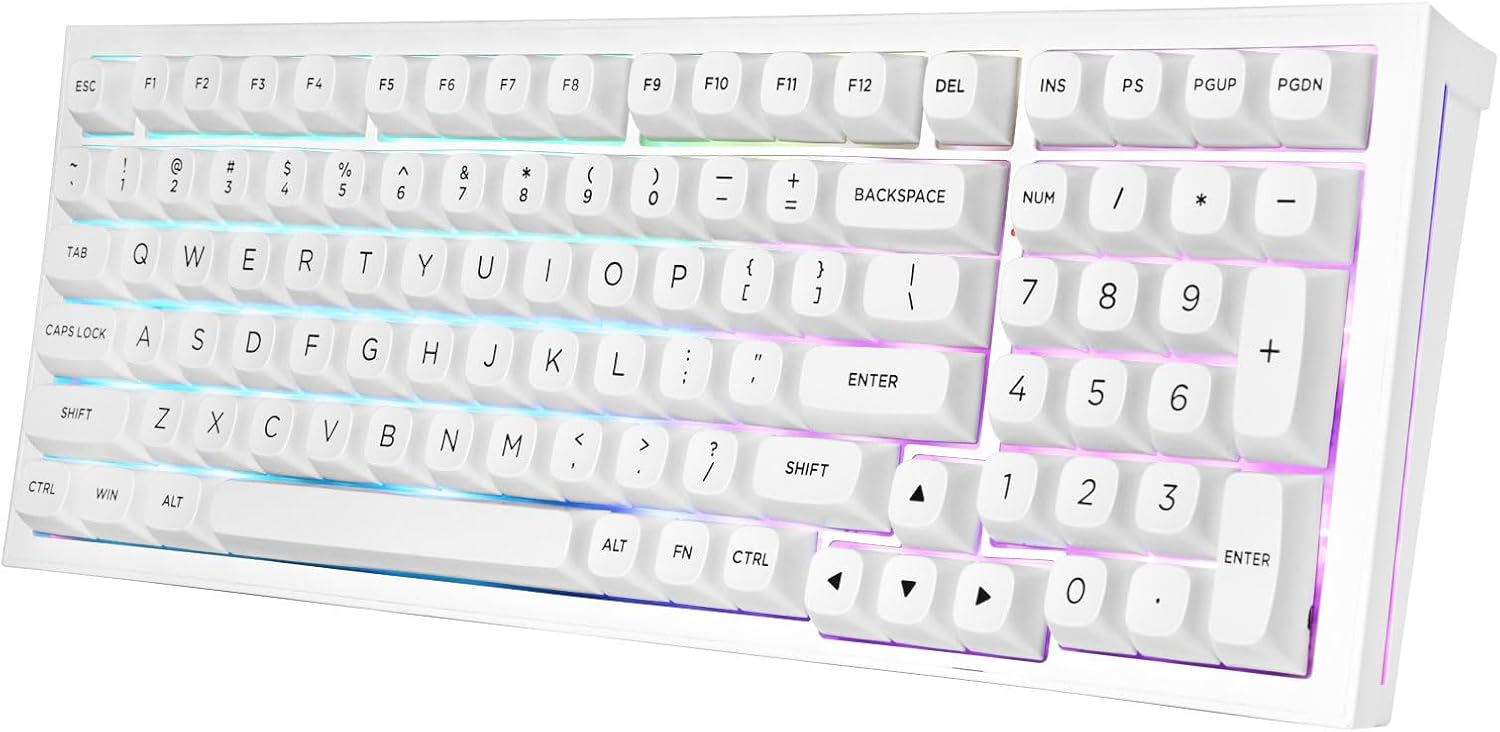
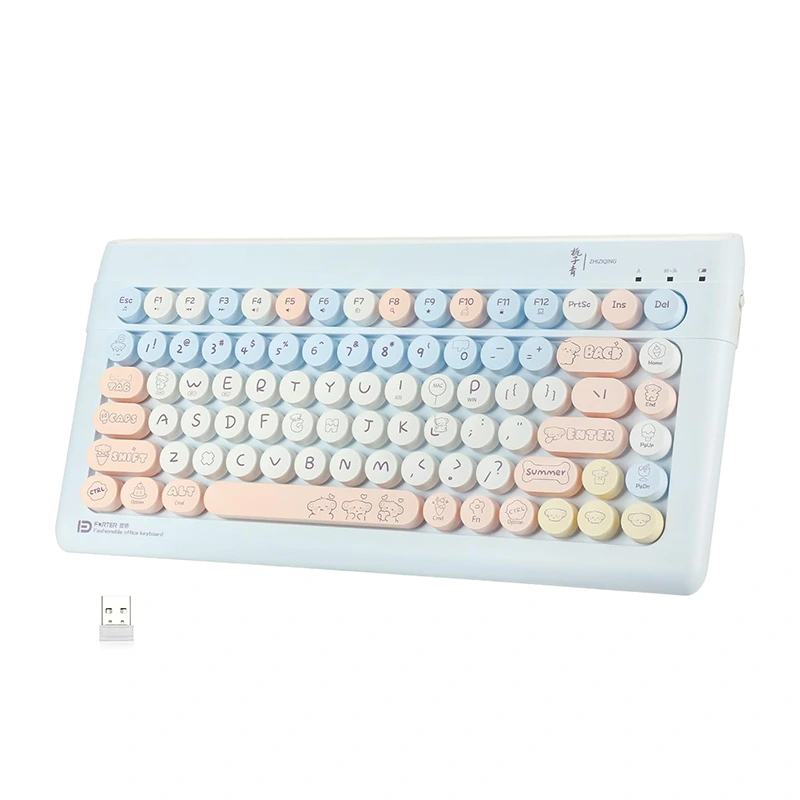
A slim keyboard is a low-profile input device designed with reduced key height, thinner housing, and compact internal components. Unlike traditional mechanical keyboards, slim keyboards prioritize space efficiency, portability, and aesthetics while maintaining reliable typing performance.
Manufacturers such as Shenzhen Chuangquan Electronics Co., Ltd. focus on combining durability with modern industrial design, resulting in keyboards that fit seamlessly into minimalist workspaces.
The popularity of slim keyboards is driven by several market trends, including remote work, mobile computing, and ergonomic awareness. Users increasingly demand keyboards that are easy to carry, visually clean, and comfortable for long typing sessions.
Slim keyboards are available in various configurations to suit different needs. Understanding these categories helps users make informed decisions.
For more insights on keyboard technology trends, see professional keyboard reviews.
| Feature | Slim Keyboard | Traditional Keyboard |
|---|---|---|
| Thickness | Very thin, low profile | Thicker body |
| Portability | High | Low |
| Typing Feel | Short key travel | Long key travel |
| Desk Aesthetics | Modern and clean | Bulky appearance |
| Learning Curve | May require adjustment | Familiar to most users |
Brands like Shenzhen Chuangquan Electronics Co., Ltd. continue to refine key structure and materials to minimize these limitations.
Slim keyboards are widely used across various scenarios due to their flexibility and compact design.
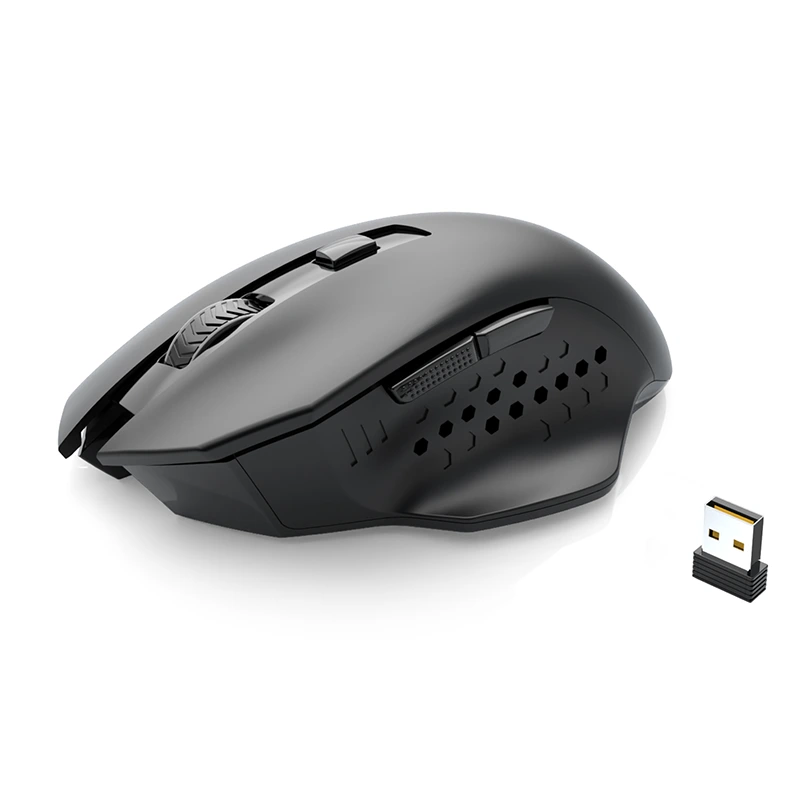
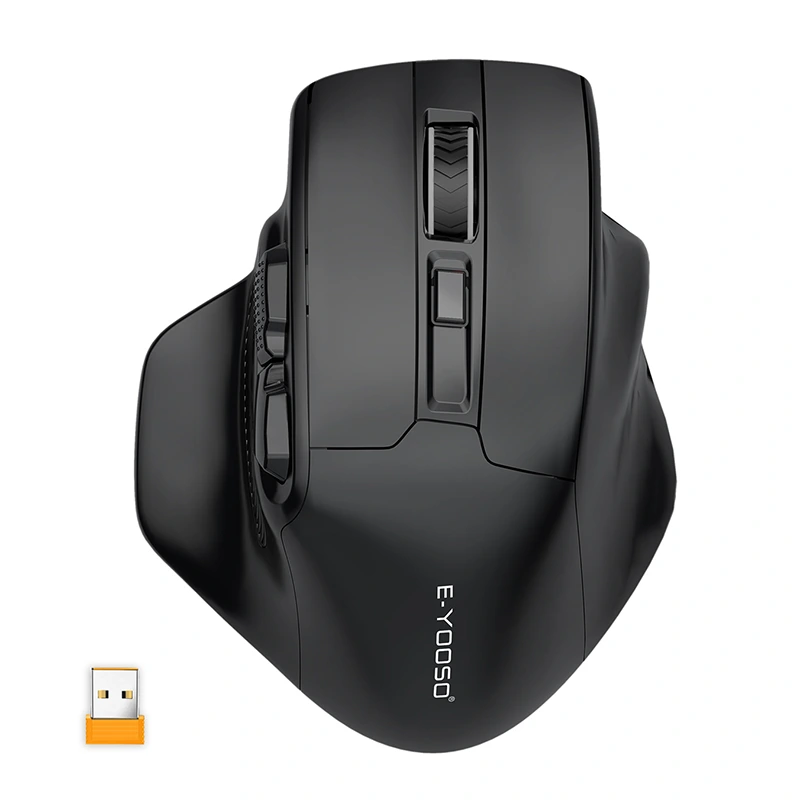
For users building a minimalist desk, slim keyboards are often paired with wireless mice and monitor stands from manufacturers like Shenzhen Chuangquan Electronics Co., Ltd..
Choosing the right slim keyboard depends on several practical factors:
Professional buyers often evaluate OEM solutions provided by companies such as Shenzhen Chuangquan Electronics Co., Ltd. for bulk procurement and customization.
Q1: What makes a slim keyboard different from a low-profile keyboard?
A slim keyboard focuses on overall thinness and portability, while a low-profile keyboard emphasizes reduced key height but may still have a thicker base.
Q2: Is a slim keyboard suitable for long typing sessions?
Yes, many users find slim keyboards comfortable due to reduced wrist extension, especially when paired with ergonomic desk setups.
Q3: Are slim keyboards good for gaming?
Slim keyboards work well for casual and office gaming, but competitive gamers may prefer mechanical feedback unless using slim mechanical models.
Q4: How long does it take to adapt to a slim keyboard?
Most users adapt within a few days as muscle memory adjusts to shorter key travel.
Q5: Do slim keyboards support multiple devices?
Many wireless slim keyboards support multi-device switching, especially Bluetooth models.
Q6: Are slim keyboards durable?
High-quality models from manufacturers like Shenzhen Chuangquan Electronics Co., Ltd. are designed for daily professional use.