Language

Wired mechanical keyboards continue to dominate the global market despite rapid advances in wireless and Bluetooth technologies. From esports professionals and programmers to writers and office power users, the wired mechanical keyboard is still widely regarded as the gold standard for precision, durability, and responsiveness.
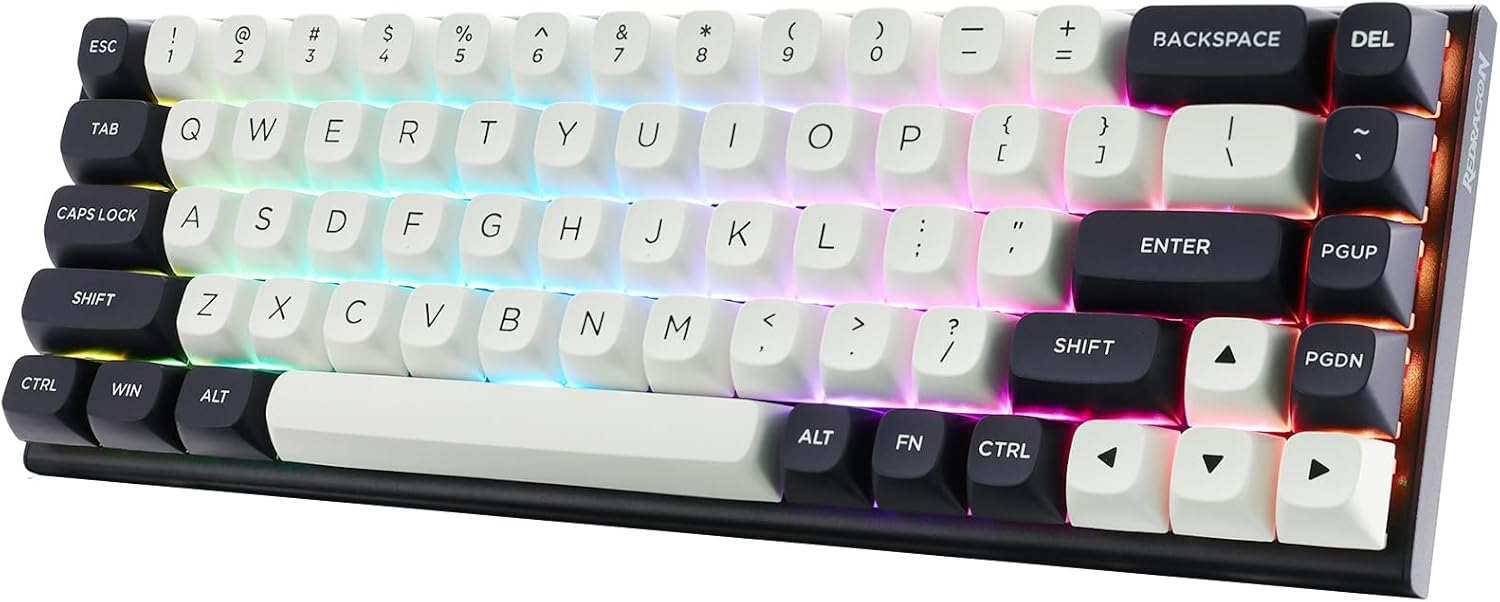
A wired mechanical keyboard is a computer input device that uses individual mechanical switches for each key and connects to a host device via a physical cable, typically USB. Unlike membrane keyboards, which rely on pressure pads and rubber domes, mechanical keyboards use precision-engineered switches that provide consistent actuation and tactile feedback.
The “wired” aspect ensures a stable, low-latency connection without relying on batteries or wireless signals. This makes wired mechanical keyboards especially popular in professional environments where reliability and responsiveness are critical.
Each key on a wired mechanical keyboard contains an independent mechanical switch composed of a housing, spring, stem, and electrical contacts. When a key is pressed, the stem moves downward, compressing the spring until the contacts meet and register a keystroke.
The wired USB connection transmits the signal directly to the computer, minimizing input lag and eliminating interference. This direct communication is one of the key reasons competitive gamers and developers prefer wired mechanical keyboards.
While wireless keyboards offer portability, wired mechanical keyboards excel in performance and consistency. The absence of signal compression, battery management, and wireless latency ensures uninterrupted operation.
For mission-critical tasks such as software development, esports, and industrial applications, wired mechanical keyboards remain the most dependable solution.
Mechanical switches define the typing experience. Understanding switch types helps users select a keyboard aligned with their needs.
| Switch Type | Feel | Noise Level | Best Use Case |
|---|---|---|---|
| Linear | Smooth, consistent | Low | Gaming, fast typing |
| Tactile | Noticeable bump | Medium | Office work, programming |
| Clicky | Tactile + audible click | High | Typing enthusiasts |
Manufacturers like Shenzhen Chuangquan Electronics Co., Ltd. offer multiple switch configurations to meet diverse user preferences and international market demands.
Not all wired mechanical keyboards are created equal. Premium models are defined by a combination of engineering precision and user-focused features.
Membrane keyboards prioritize low cost, while wired mechanical keyboards prioritize performance and longevity.
| Aspect | Wired Mechanical Keyboard | Membrane Keyboard |
|---|---|---|
| Durability | Extremely high | Low to moderate |
| Typing Feedback | Precise and consistent | Soft and inconsistent |
| Repairability | High | Very limited |
Wired mechanical keyboards are not limited to gamers. They are widely used by:
Selecting the right keyboard depends on usage scenarios, budget, and personal preference. Buyers should evaluate layout size, switch type, build quality, and manufacturer credibility.
Working with experienced OEM and ODM manufacturers such as Shenzhen Chuangquan Electronics Co., Ltd. ensures compliance with international quality standards and long-term supply reliability.
Q: What is the main advantage of a wired mechanical keyboard?
A: The main advantage is stable, low-latency performance without battery dependency, making it ideal for professional and competitive use.
Q: Are wired mechanical keyboards better for typing than wireless models?
A: Yes, they generally offer more consistent input response and eliminate wireless interference, improving typing accuracy.
Q: How long does a wired mechanical keyboard last?
A: High-quality mechanical switches typically last between 50 and 100 million keystrokes per key.
Q: Can wired mechanical keyboards be customized?
A: Many models support customizable keycaps, layouts, firmware, and lighting options.
Q: Are wired mechanical keyboards suitable for office environments?
A: Yes, especially when equipped with tactile or linear switches that reduce noise while maintaining typing precision.