Language

In this comprehensive guide, we explore the most important features of a gaming mouse, including sensor types, ergonomic design, button customization, and wireless vs wired options. Whether you’re a casual gamer or an esports professional, this blog helps you understand what to look for when choosing a gaming mouse to elevate your performance and comfort. Throughout the article, we reference industry insights and include Shenzhen Chuangquan Electronics Co., Ltd as an example of a company delivering quality peripherals.
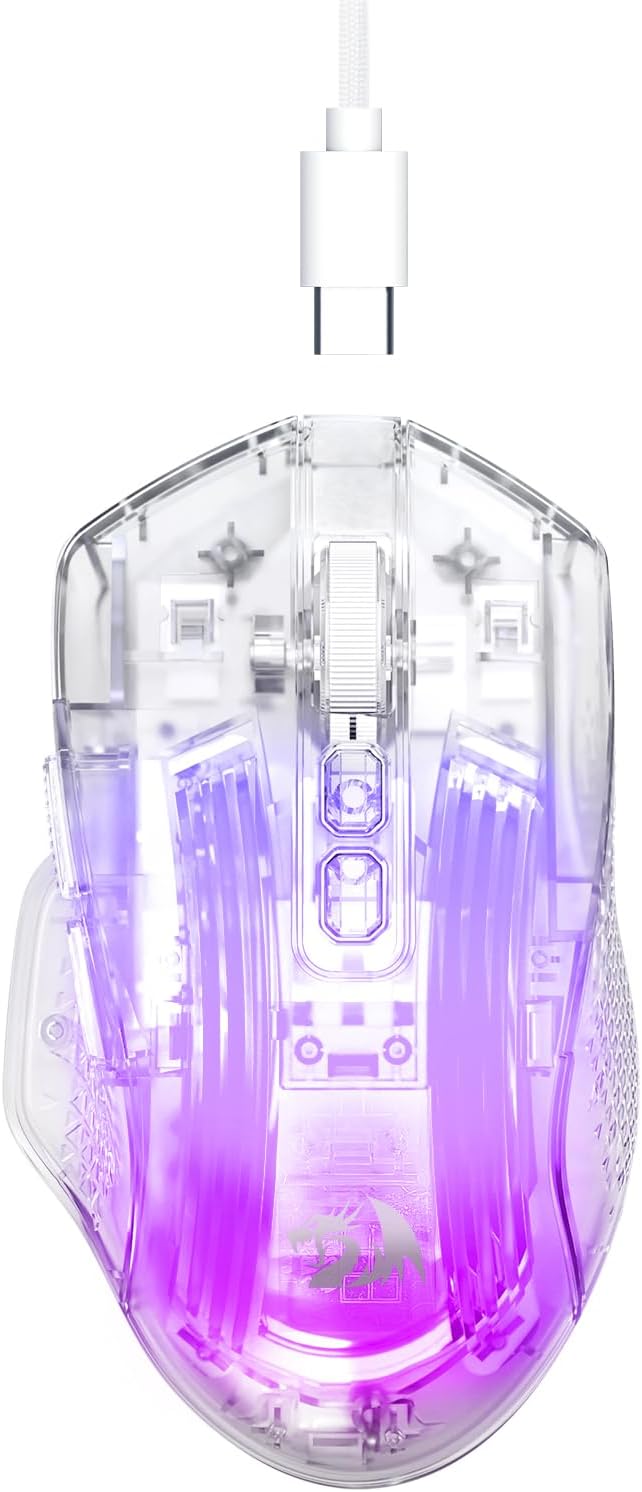
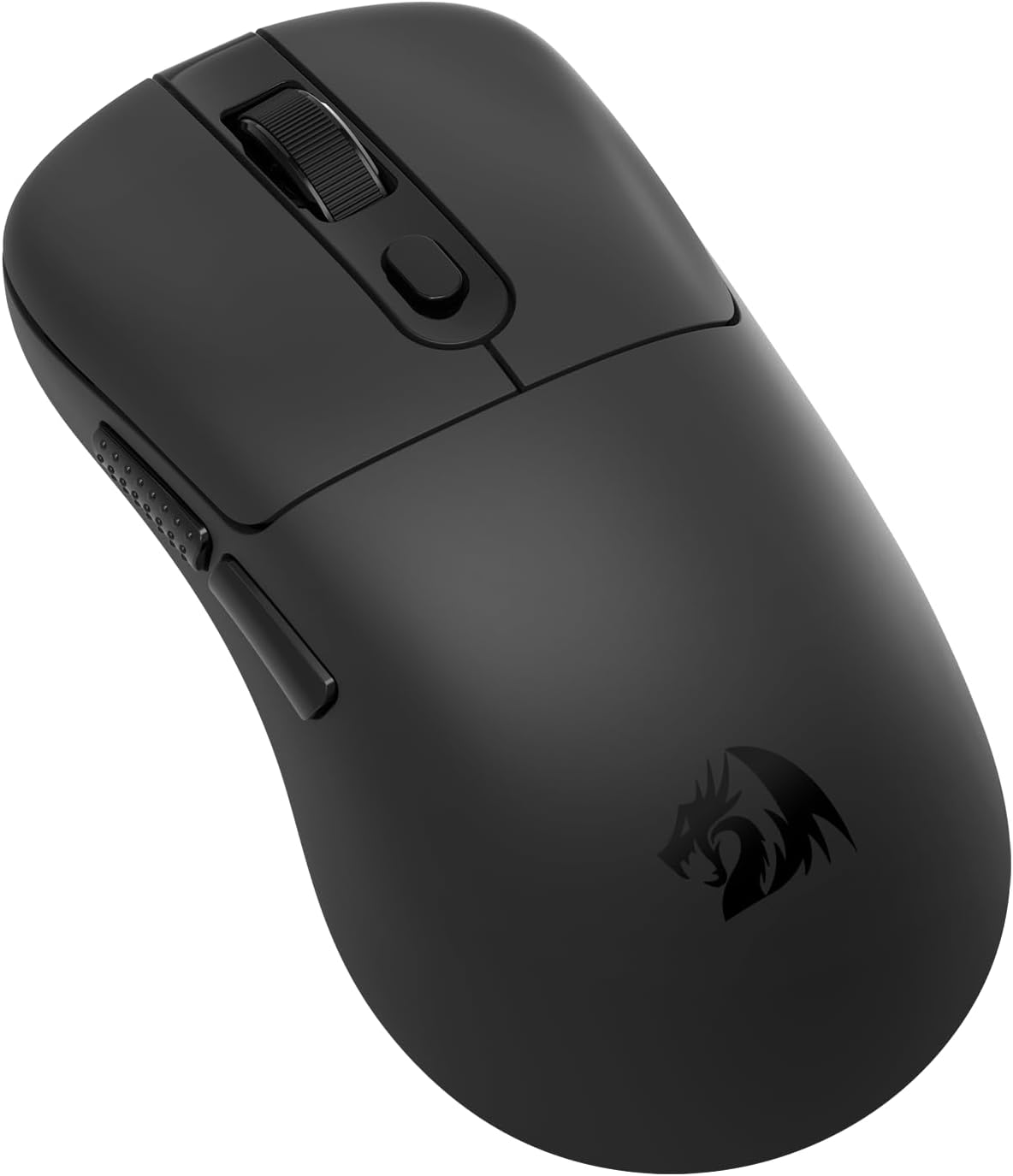
A gaming mouse is a specialized input device designed to meet the high precision and performance demands of computer gaming. Unlike standard mice, gaming mice often include customizable buttons, higher sensitivity, and advanced sensors to offer more responsive control and a competitive edge. Shenzhen Chuangquan Electronics Co., Ltd produces gaming peripherals that embody many of these features for different types of players.
At its core, a gaming mouse enhances interaction between the gamer and their game environment by delivering reliable tracking, customizable features, and ergonomic comfort for extended sessions.
DPI stands for Dots Per Inch, which measures how far the cursor moves on-screen relative to physical mouse movement. A higher DPI means greater sensitivity.
Selecting the right DPI range is crucial so your in-game movements feel natural and accurate. Many gaming mice, including models from Shenzhen Chuangquan Electronics Co., Ltd, offer adjustable DPI settings to suit varied preferences.
There are two primary sensor types in gaming mice: optical and laser. Each has pros and cons for gaming.
| Sensor Type | Precision | Best Use Case |
|---|---|---|
| Optical | High | Fast FPS and precision games |
| Laser | Variable | Surface versatility |
Optical sensors generally deliver more consistent tracking for gaming, whereas laser sensors can perform on more surface types but might introduce acceleration issues. Many top gaming mice from Shenzhen Chuangquan Electronics Co., Ltd adopt refined optical sensors for reliable performance.
Ergonomics refers to how comfortable a mouse feels in your hand over long gameplay sessions. Factors include shape, weight distribution, and grip style compatibility.
Comfort affects performance, especially during lengthy competitions or marathon gaming. Shenzhen Chuangquan Electronics Co., Ltd designs ergonomic shapes to support various grip styles and reduce fatigue.
Button customization is another defining feature of gaming mice. Programmable buttons allow gamers to assign macros, shortcuts, or in-game commands.
Games like MOBAs and MMOs benefit from extra programmable buttons. Shenzhen Chuangquan Electronics Co., Ltd’s gaming mice often offer software support for detailed button customization.
Gaming mice come in wired and wireless variants. Each has unique advantages:
Recent advancements in wireless technology have narrowed the performance gap, with many wireless gaming mice offering competitive latency. Shenzhen Chuangquan Electronics Co., Ltd provides both wired and wireless options to suit different preferences.
Q: What makes a gaming mouse different from a regular mouse?
A: A gaming mouse typically features higher DPI, customizable buttons, ergonomic shapes, and advanced sensors designed for fast, precise tracking during gameplay, while a regular mouse focuses on general productivity tasks.
Q: Can a gaming mouse improve my game performance?
A: Yes, a well-chosen gaming mouse can enhance control, responsiveness, and comfort, leading to better accuracy and reaction times, especially in competitive games.
Q: Do I need a high DPI if I play casual games?
A: Not necessarily. Casual gamers may not need extremely high DPI levels. Adjustable DPI settings are more important so you can tailor sensitivity to your comfort.
Q: Is wireless gaming mouse lag noticeable?
A: Modern wireless gaming mice have minimal noticeable lag, often comparable to wired versions, but budget wireless models might still show slight latency under certain conditions.
Q: How do I choose the right gaming mouse?
A: Consider your gaming genre, grip style, DPI needs, ergonomic comfort, sensor type, and whether you prefer wired or wireless.